What are the ozone purification solutions for plasma equipment?
In industrial manufacturing and precision machining, plasma equipment holds a crucial position due to its high efficiency and cleanliness. It is widely used in surface activation treatment for semiconductor chip packaging, removing organic contaminants from the chip surface and improving bonding reliability. In medical device production, it is used for low-temperature sterilization of surgical instruments, preventing high-temperature damage to delicate components. In new material research and development, it can modify the surface of polymer materials, enhancing their hydrophilicity or adhesion. Even in the environmental protection industry, it is used to degrade volatile organic compounds (VOCs) in industrial waste gas. These applications, with their high demands for process precision and environmental cleanliness, have made plasma equipment a key component of modern industry.
The core operating principle of plasma equipment is the generation and action of plasma. The equipment uses energy input, such as high-frequency electric fields, radio frequencies, or microwaves, to ionize inert gases (such as argon) or reactive gases (such as oxygen) within a sealed chamber, forming a plasma composed of electrons, ions, and reactive free radicals. This "fourth state of matter" is extremely chemically active. Upon contact with the surface of the treated object, the active particles physically bombard it (stripping contaminants) and chemically react (decomposing organic matter), achieving surface cleaning, activation, or modification. This process requires no chemicals and operates at a depth of only microns, enabling precise surface treatment without damaging internal structures.
The production of ozone is almost unavoidable during plasma equipment operation. This occurs when high-energy particles in the plasma react with oxygen in the air. When electrons gain sufficient energy, they collide with oxygen molecules (O₂), breaking them down into oxygen atoms (O). The free oxygen atoms then combine with undecomposed oxygen molecules to form ozone (O₃). Ozone concentrations can increase significantly when operating with oxygen as the working gas or in an air atmosphere. While low concentrations of ozone have some bactericidal properties, concentrations exceeding 0.1 mg/m³ can irritate the human respiratory tract. Long-term exposure can also corrode metal components and delicate circuitry in equipment, becoming a key issue limiting the safe use of plasma equipment.
The
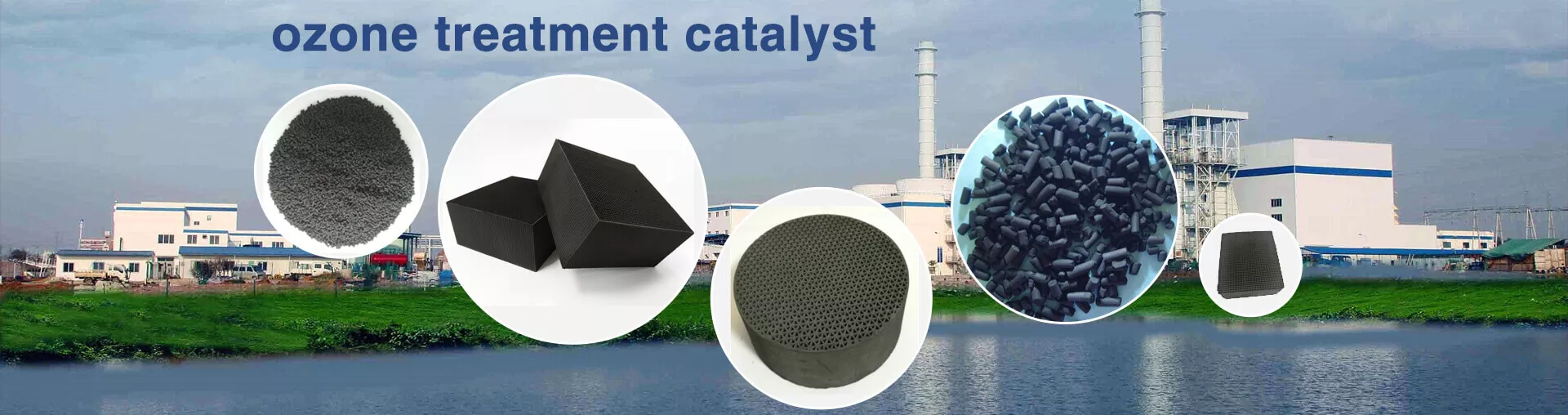
MINSLITE-B catalyst-based purification solution demonstrates excellent performance. This material, developed specifically for ozone decomposition, is designed with a copper-manganese composite active component. Its working principle is based on catalytic oxidation reaction: when an ozone-containing airflow passes through the catalyst surface, copper-manganese ions break the chemical bonds of ozone molecules through electron transfer, stably decomposing O₃ into harmless O₂. The entire process can be completed at room temperature without the need for additional electrical or thermal energy.
 ∷
∷

 minstrong