Welcome: Hunan Minstrong Technology Co., Ltd
Language:
 ∷
∷

∷
∷
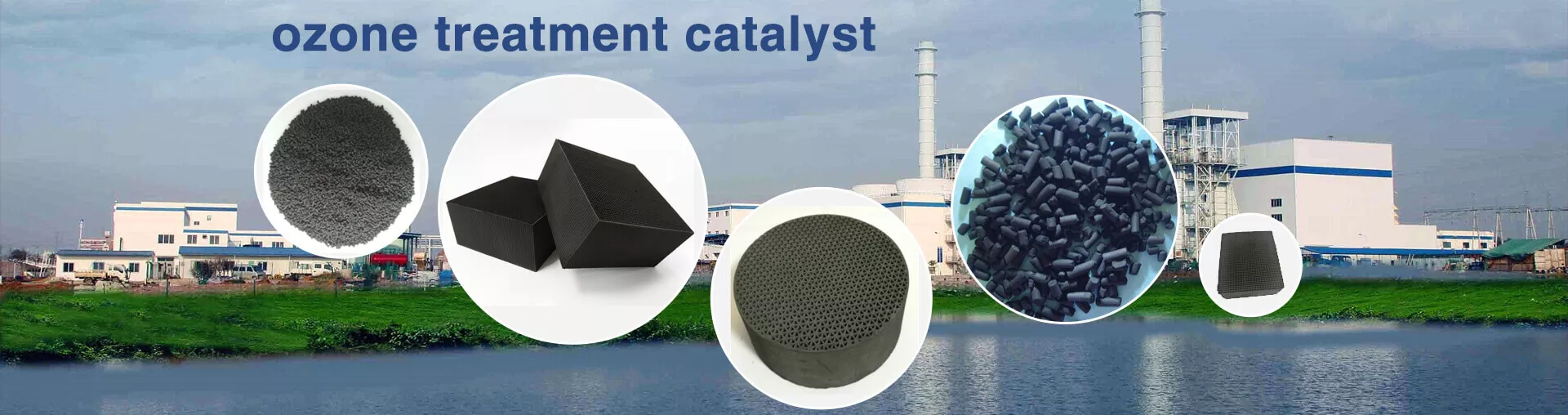
Therefore, when catalyst performance declines due to reversible factors such as surface contamination, active site blockage, or temporary changes in surface oxygen species, appropriate regeneration treatment may restore part of the catalytic activity. However, if irreversible changes occur, such as structural damage or loss of active components, the regeneration effect may be limited.
Ozone decomposition catalysts promote ozone conversion through active sites on the catalyst surface. During operation, ozone molecules are first adsorbed onto the catalyst surface and then undergo oxidation-reduction reactions under the influence of active centers. These reactions generate oxygen-related intermediates, which subsequently combine and form stable oxygen molecules.
Because the catalyst provides an alternative reaction pathway rather than being consumed directly, it theoretically has the ability to maintain long-term activity and be regenerated after deactivation. However, in practical industrial applications, complex operating conditions may gradually change the catalyst surface structure and active state, resulting in reduced performance.
The ozone decomposition reaction relies on active sites located on the catalyst surface. When dust, oil mist, organic contaminants, or other impurities enter the catalytic system, they may adsorb onto the surface and occupy reaction sites originally available for ozone adsorption and conversion.
This type of deactivation is usually considered relatively reversible. By removing surface contaminants, some active sites can be exposed again, allowing the catalyst to recover part of its catalytic performance.
During ozone decomposition, oxygen-related intermediate species are generated on the catalyst surface. If these species cannot be effectively released, they may accumulate and interfere with the oxidation-reduction cycle of the catalyst, leading to reduced ozone decomposition efficiency.
For this type of deactivation, suitable thermal treatment or controlled atmosphere treatment may promote the removal of excess oxygen species and help restore catalytic activity.
In industrial applications, humidity is an important factor affecting ozone decomposition catalyst performance. Water molecules may compete with ozone for adsorption sites, reducing contact between ozone and the catalyst surface. Long-term exposure to high humidity may also alter surface properties and decrease catalytic efficiency.
In addition, continuous exposure to oil, dust, or other contaminants may cause more severe deactivation that is difficult to reverse.
Thermal treatment is one of the commonly used regeneration methods for catalysts. By applying controlled temperatures, adsorbed contaminants can be removed, and the effects caused by excessive surface oxygen accumulation may be reduced.
However, regeneration temperature must be carefully controlled. Excessive temperatures may cause structural changes, reduce surface area, or damage the original active structure of the catalyst. Therefore, regeneration conditions should be determined according to catalyst composition and deactivation characteristics.
Some ozone decomposition catalysts rely on oxidation-reduction properties to promote ozone conversion. Adjusting the treatment atmosphere can help modify the surface oxygen state and reactivate catalytic sites.
This method is more suitable for cases where catalyst activity decreases due to surface state changes. If irreversible structural damage has already occurred, the recovery effect will usually be limited.
When catalyst deactivation is mainly caused by dust, organic compounds, or other surface deposits, physical or chemical cleaning methods may remove the contamination layer and expose active sites again.
It should be noted that regeneration treatment must avoid causing secondary damage to the catalyst structure. Improper treatment conditions may further reduce catalytic performance instead of improving it.
In industrial applications, not all deactivated catalysts are suitable for regeneration. Several factors should be considered when evaluating regeneration feasibility.
Therefore, in real industrial projects, catalyst deactivation mechanisms should be analyzed before deciding on regeneration. Service time alone is not sufficient to determine whether a catalyst can be reused.
Compared with regeneration after catalyst deactivation, optimizing operating conditions to extend catalyst lifetime is usually more economical and practical.
First, dust, oil mist, and other contaminants entering the catalyst bed should be minimized. Second, gas humidity should be properly controlled to avoid long-term exposure to unfavorable moisture conditions. In addition, reasonable catalyst loading design based on ozone concentration, gas flow rate, and residence time can reduce operating stress and improve long-term stability.
For industrial ozone treatment systems, catalyst performance depends not only on the catalyst material itself but also on actual operating conditions, equipment design, and system management.
Ozone decomposition catalysts have certain regeneration potential, but the effectiveness of regeneration depends on the cause of deactivation. When performance loss is caused by reversible factors such as surface contamination, active site blockage, or oxygen species accumulation, appropriate treatment may restore part of the catalytic activity. However, when irreversible changes such as structural damage or active component loss occur, regeneration effectiveness is usually limited.
In practical applications, the decision of whether to regenerate an ozone decomposition catalyst should be based on a comprehensive evaluation of deactivation mechanisms, catalytic performance testing, and regeneration feasibility rather than simply judging by service time.
author:kaka
date:2026/9/14
Contact: Candyly
Phone: +8618142685208
Tel: 0086-0731-84115166
Email: sales@minstrong.com
Add: E2 Building, Kinglory Science And Technology Industrial Park, Wangcheng Area, Changsha, Hunan, China.
 minstrong