Welcome: Hunan Minstrong Technology Co., Ltd
Language:
 ∷
∷

∷
∷
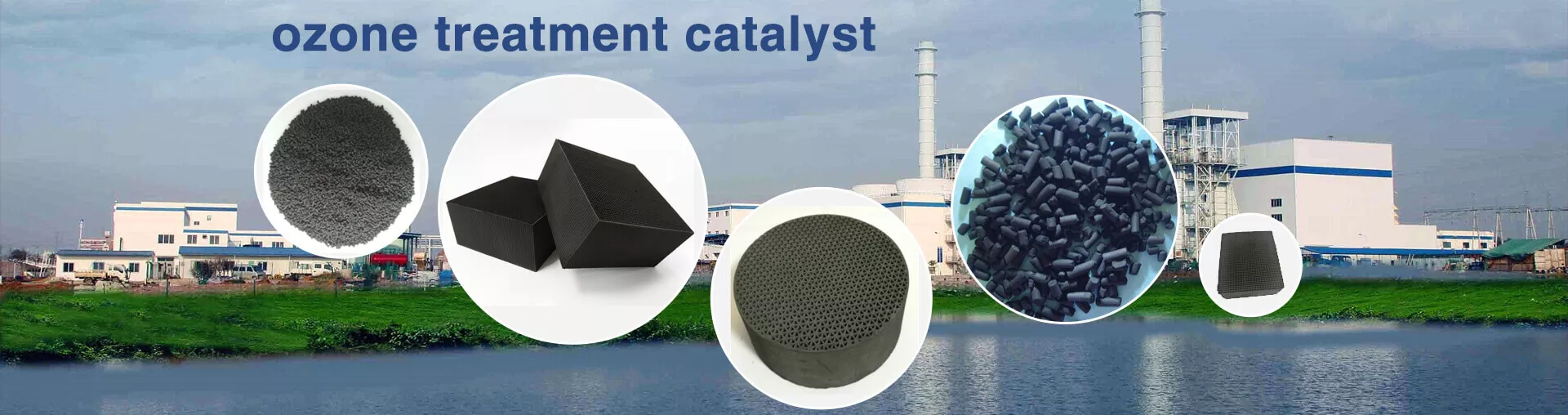
Reducing industrial ozone pollution control costs requires a comprehensive approach covering ozone generation, treatment processes, catalyst selection, and operation and maintenance. Simply choosing a lower-priced catalyst is not sufficient. Controlling unnecessary ozone generation, matching treatment capacity to actual operating conditions, balancing catalyst activity with bed pressure drop, and monitoring system performance can help reduce equipment investment, energy consumption, and unplanned downtime. All optimization measures must maintain compliance with applicable ozone emission requirements and be validated against actual operating data.
Ozone treatment costs are closely related to the amount of ozone generated. In industrial processes involving corona discharge, ozone oxidation, and other ozone-based operations, the ozone concentration, equipment operating time, and off-gas flow rate collectively determine the downstream treatment load.
In practice, ozone generation equipment should be calibrated according to actual process requirements to avoid excessive ozone dosing and unnecessary operation under idle conditions. For intermittent production, operating and shutdown schedules can be coordinated with production cycles. For continuous processes, ozone supply should be regulated to maintain stable operation while meeting process requirements. Source reduction can decrease the downstream treatment load, but it must not compromise the required oxidation performance or product quality.
The capacity of an ozone off-gas treatment system should be determined according to the inlet ozone concentration, gas flow rate, peak load, and target outlet concentration. Excessive design capacity may result in oversized reactors and unnecessary catalyst loading, while insufficient capacity can lead to inadequate ozone removal.
Measured operating data should be used to identify normal and peak loads and to determine an appropriate reactor cross-sectional area, catalyst bed depth, and gas residence time. Gas distribution should also be optimized to minimize short-circuiting and localized excessive flow velocities. In fan-driven systems, catalyst bed pressure drop directly affects electricity consumption. Treatment efficiency, processing capacity, and airflow resistance must therefore be balanced during system design.
The economic performance of an ozone decomposition catalyst depends not only on its purchase price but also on its removal efficiency, service life, moisture tolerance, resistance to contamination, mechanical strength, and bed pressure drop. A lower-priced catalyst may result in higher lifecycle costs if it requires frequent replacement or creates excessive fan energy consumption.
Granular and cylindrical pellet catalysts are generally convenient to load and replace, but particle size and bed configuration affect airflow resistance. Honeycomb structures can help reduce pressure drop, although their actual performance depends on channel design, effective surface area, and reaction conditions. No single catalyst geometry is optimal for every application. Selection should consider available equipment space, gas flow rate, and maintenance requirements.
Water vapor, dust, oil mist, and other coexisting substances may affect surface reactions or cause catalyst bed blockage. Before selecting a catalyst, evaluate the actual humidity and gas composition, and verify performance under representative operating conditions. Filtration, oil-mist removal, or liquid separation may be necessary in some applications. However, the capital cost, pressure drop, and maintenance requirements of pretreatment equipment should also be considered to avoid unnecessary system complexity.
A structured monitoring program helps identify declining ozone removal performance and abnormal system resistance. Recommended monitoring parameters include inlet and outlet ozone concentrations, catalyst bed pressure drop, operating hours, and gas flow rate.
If the outlet ozone concentration increases, investigate changes in inlet load, humidity effects, gas distribution, catalyst contamination, and measurement instrument accuracy before deciding whether catalyst cleaning or replacement is necessary. An increase in pressure drop may indicate dust accumulation or bed blockage. However, normal pressure drop does not necessarily mean that catalyst activity remains adequate. Maintenance decisions should therefore be based on multiple operating indicators rather than a single parameter.
The economic performance of an industrial ozone treatment system should be evaluated by considering equipment investment, catalyst procurement, fan electricity consumption, pretreatment expenses, maintenance costs, replacement frequency, and production losses caused by downtime. When comparing alternative solutions, the gas flow rate, inlet ozone concentration, target outlet concentration, and annual operating hours should be consistent.
For systems operating continuously over long periods, pressure drop and catalyst service life deserve particular attention. For intermittent processes or applications with fluctuating loads, operating control and peak treatment capacity may be more important. Comparing annual total costs and the cost per unit of ozone removed provides a more meaningful assessment of whether process optimization delivers actual economic benefits.
In summary, effective cost reduction in industrial ozone pollution control begins with minimizing unnecessary ozone generation, followed by optimizing treatment system design, selecting catalysts suited to actual operating conditions, and managing maintenance based on operating data. Only by maintaining the required ozone removal performance while evaluating capital investment, energy consumption, and replacement costs can industrial facilities achieve stable and sustainable cost optimization.
author:kaka
date:2026/10/12
Contact: Candyly
Phone: +8618142685208
Tel: 0086-0731-84115166
Email: sales@minstrong.com
Add: E2 Building, Kinglory Science And Technology Industrial Park, Wangcheng Area, Changsha, Hunan, China.
 minstrong