Industry new
Copper-Manganese Composite Catalyst VS Noble Metal Catalyst
In the chemical industry and environmental protection, the choice of catalyst directly impacts reaction efficiency, cost control, and sustainable development. Copper-manganese composite catalysts and Noble metal catalysts are two important types of catalytic materials, each with distinct characteristics and applicable scenarios. This article will comprehensively compare the two in terms of activity, stability, economic efficiency, and environmental friendliness.
Noble metal catalysts, represented by platinum, palladium, and rhodium, are renowned for their exceptional catalytic activity and stability. These catalysts maintain high performance under high temperatures and harsh reaction conditions, leading to their dominant position in high-end applications such as automotive exhaust purification, fine chemical synthesis, and fuel cells. For example, platinum-based catalysts effectively promote the reduction of nitrogen oxides, helping to reduce harmful emissions from motor vehicles. However, the scarcity of precious metals leads to high prices, and geopolitical factors often expose supply chains to risks. Furthermore, precious metal catalysts are sensitive to reaction conditions and easily poisoned by substances such as sulfur and chlorine, making regeneration difficult and further increasing their cost.
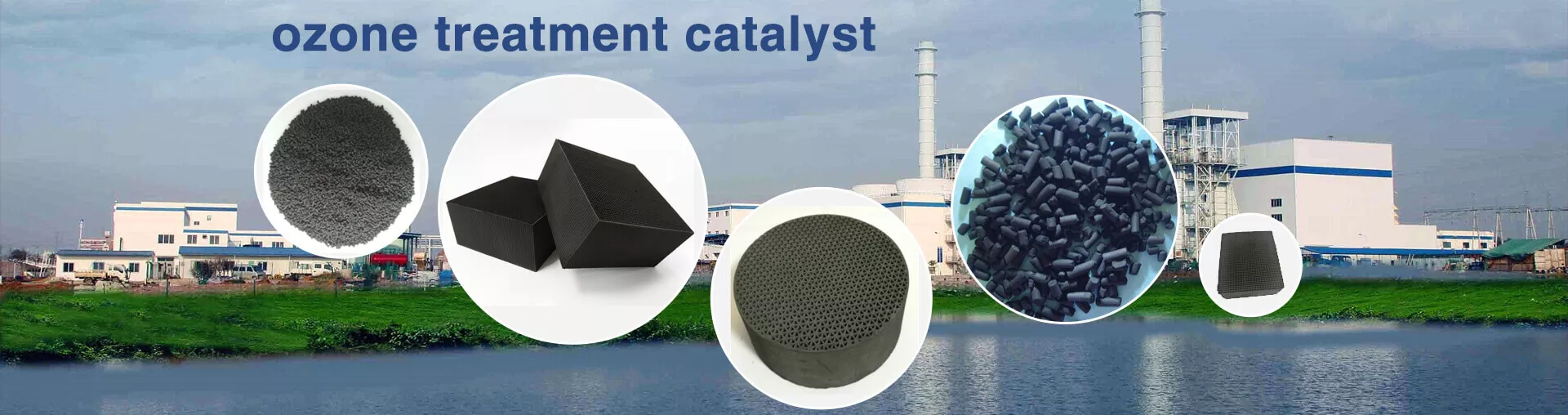
In contrast, copper-manganese composite catalysts, composed of abundant and inexpensive transition metals, exhibit catalytic activity through the synergistic effect between copper and manganese. This type of catalyst performs well in applications such as low-temperature catalysis, volatile organic compound (VOC) oxidation, and carbon monoxide purification. For example, copper-manganese oxide is often used in industrial waste gas treatment, effectively degrading pollutants such as formaldehyde. Its preparation process is relatively simple, its cost is far lower than that of precious metal catalysts, and it exhibits strong resistance to poisoning and reusability. However, copper-manganese catalysts are generally less active than precious metal materials, prone to sintering or deactivation at high temperatures, and have a short lifespan, requiring frequent replacement or regeneration, limiting their application in certain high-performance applications.
From an economic and environmental perspective, copper-manganese composite catalysts offer greater sustainability advantages. Their raw materials are widely available, and their preparation process is energy-efficient, aligning with the principles of green chemistry. However, the mining and refining of precious metals is associated with significant energy consumption and environmental pollution, and the recovery of discarded precious metals presents challenges. In the context of the "dual carbon" goals, copper-manganese catalysts better meet the need for resource recycling.
However, Noble metal catalysts still hold an absolute advantage in applications where they are irreplaceable. For example, in proton exchange membrane fuel cells, platinum-based catalysts are currently the only practical material capable of achieving efficient oxygen reduction reactions. Although copper-manganese catalysts can improve their performance in some areas through structural optimization (such as nanosizing and composite support design), the gap between their intrinsic activity and that of precious metals is unlikely to be overcome in the short term.
In summary, copper-manganese composite catalysts and Noble metal catalysts each have their respective areas of application. The former, known for its low cost and environmental friendliness, are suitable for large-scale industrial waste gas treatment and cost-sensitive applications; the latter, distinguished by its high performance and reliability, are indispensable in high-end technology and precision manufacturing. Future research should focus on improving the intrinsic activity and stability of copper-manganese catalysts, while also developing low-precious metal content or non-precious metal alternatives to achieve a balanced balance between performance and sustainability. The evolution of catalysts is, in essence, an ongoing quest to find the optimal solution between efficiency, cost, and environmental sustainability.
 ∷
∷

 minstrong