Why Aircraft Air Conditioning Systems Must Be Installed with Ozone Converters
In the stratosphere, 10,000 meters above sea level, ozone acts as a protective shield for life on Earth, effectively absorbing ultraviolet radiation from the sun, protecting it from harm to life on Earth. However, for civilian airliners cruising in the lower stratosphere, ozone in the air poses an invisible threat to flight safety and passenger health. This is the core reason why ozone converters are essential for aircraft air conditioning systems.
When aircraft fly at altitudes between 7,000 and 12,000 meters, they enter an ozone-rich zone in the lower stratosphere. Here, ozone concentrations can reach 0.1-0.5 ppm (parts per million), far exceeding normal levels on the ground. If untreated, this ozone is drawn into the aircraft's air conditioning system along with the outside air, and subsequently enters the cabin and cockpit. For humans, low concentrations of ozone can irritate the respiratory mucosa, causing discomfort such as dry throat, coughing, and chest tightness. Prolonged exposure can also trigger allergic reactions or aggravate respiratory diseases such as asthma. For aircraft equipment, ozone's strong oxidizing properties can accelerate the aging of rubber seals and metal piping in air conditioning systems, shortening equipment lifespan. It can even damage circuit insulation and increase the risk of failure. Furthermore, under high temperatures, ozone can react with other airborne pollutants to produce even more harmful secondary pollutants, further deteriorating cabin air quality.
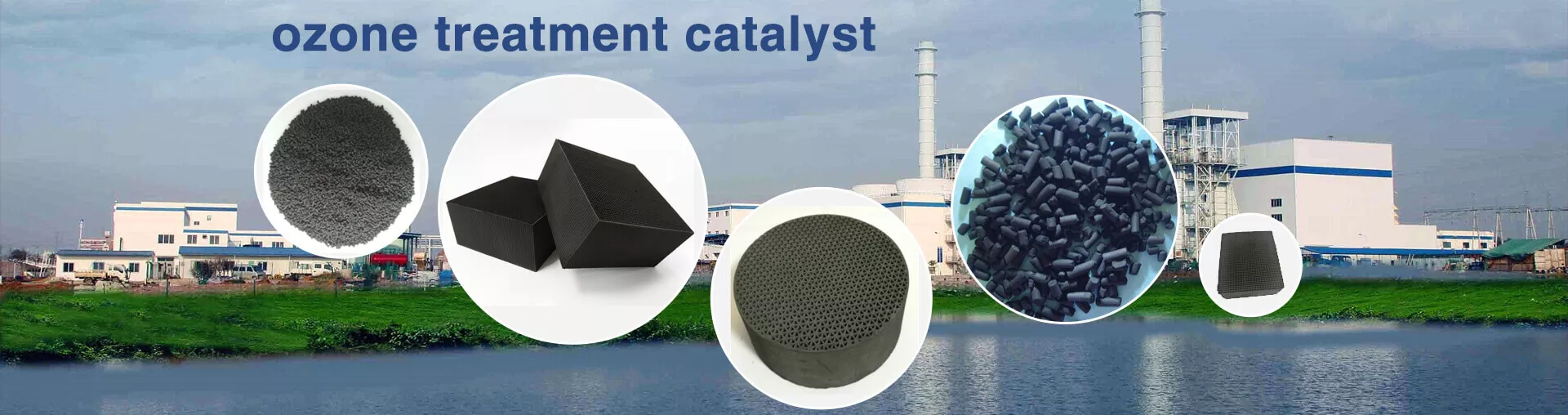
To address this issue, aircraft air conditioning systems are equipped with specialized ozone converters. Their core function is to decompose ozone into harmless oxygen. The key to this conversion process lies in the specialized manganese-based catalysts coated within the converters. Compared to other types of catalysts,
manganese-based catalysts exhibit significant advantages under the unique operating conditions of aircraft air conditioning systems.
First, manganese-based catalysts possess extremely high activity and conversion efficiency. Aircraft air conditioning systems process large and fast air flows, requiring the catalyst to react rapidly with ozone within a short period of time. Manganese-based catalysts, with their unique crystal structure and electronic properties, efficiently adsorb ozone molecules and activate the ozone decomposition reaction. Even in the complex environments of high altitude, low temperature, and low humidity, they maintain an ozone conversion rate consistently above 90%, ensuring that cabin air quality meets international aviation safety standards.
Secondly, manganese-based catalysts possess exceptional stability and durability. Aircraft air conditioning systems operate continuously for extended periods, requiring catalysts to withstand frequent temperature fluctuations (from low ambient temperatures to high temperatures after system heating), airflow impact, and the effects of trace pollutants (such as trace particulate matter and fuel volatiles from engine emissions). Manganese-based catalysts are chemically stable, resistant to reaction with other airborne components, and immune to structural collapse or activity degradation due to temperature fluctuations. Their service life can be synchronized with the aircraft air conditioning system's overhaul cycle (typically 3-5 years), eliminating the need for frequent replacement, reducing maintenance costs and equipment downtime for airlines.
Finally, manganese-based catalysts are environmentally friendly and safe. Compared to some catalysts containing precious metals (such as platinum and palladium), manganese is a relatively abundant metallic element in the Earth's crust. Its raw material acquisition cost is low, and its mining process has minimal environmental impact. Furthermore, manganese-based catalysts do not release toxic or hazardous substances during use and can be recycled environmentally through simple disposal after disposal, meeting the modern aviation industry's requirements for green and sustainable development. Furthermore, manganese-based catalysts are physically stable and do not shed, preventing equipment blockage or secondary contamination caused by catalyst particles entering air conditioning ducts, further ensuring the safe operation of aircraft air conditioning systems.
In summary, ozone converters are an indispensable and critical component of aircraft air conditioning systems. Manganese-based catalysts, with their efficient conversion capacity, excellent stability, and favorable economic and environmental performance, are an ideal choice for ozone converters. They not only protect the health of passengers and crew but also provide a crucial guarantee for the safe and efficient operation of aircraft. They are a typical application of modern civil aviation technology that balances safety and practicality.
 ∷
∷

 minstrong