Welcome: Hunan Minstrong Technology Co., Ltd
Language:
 ∷
∷

∷
∷
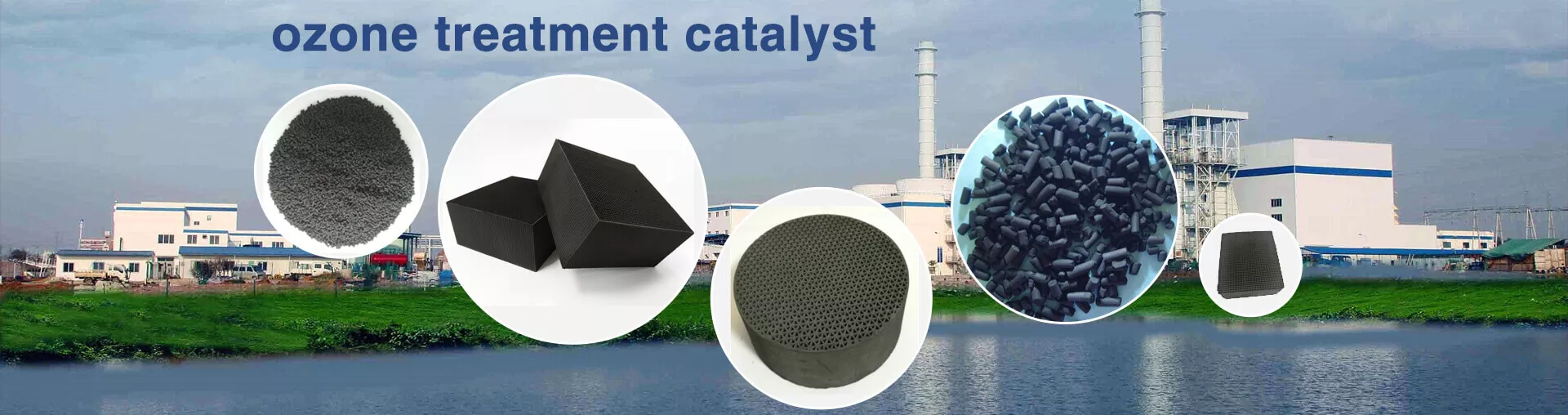
The core function of ozone decomposition
catalyst is to efficiently convert ozone (O₃), a highly oxidizing and
potentially harmful substance, into harmless oxygen (O₂). They are widely used
in the following five major scenarios:
I. Air Purification and Indoor Environment
1. Central air conditioning or fresh air
systems in densely populated places such as subway stations, shopping malls,
and office buildings, used to decompose residual ozone generated by equipment
such as photocopiers, printers, and electrostatic precipitators, preventing
respiratory irritation and odors.
II. Industrial Waste Gas Treatment
1. Ozone-containing exhaust gases emitted
from industries such as petrochemicals, chemicals, electronics, and coatings
are passed through catalyst beds before emission, reducing ozone concentrations
below environmental standards to prevent pipeline corrosion and secondary
photochemical pollution.
III. Water Treatment and Ozone Exhaust Gas
Destruction
1. In the deep treatment of tap water and
sewage, high-concentration ozone exhaust gas escaping from the water after
ozone oxidation is decomposed by a catalyst to achieve compliant emissions,
preventing ozone exceedances in the factory area and surrounding areas.
IV. Medical and Sanitary Disinfection
1. In hospital operating rooms, sterile
wards, biosafety cabinets, etc., after ozone disinfection, the ventilation
system has an embedded catalyst layer to quickly remove residual ozone,
protecting medical staff and patients.
V. Emerging Applications in High Humidity
or Special Operating Conditions
1. Using hydrophobically modified or
core-shell structured nanocatalysts, stable operation is possible under
RH>90% conditions, applicable to coastal high-humidity areas, combined
chimney and tower emission outlets, and ozone treatment of landfill leachate.
With increasingly stringent environmental
standards and advancements in materials technology, ozone decomposition
catalysts are developing towards "low-temperature high efficiency,
moisture resistance and toxicity resistance, and modularity," and their
application scenarios are continuously expanding.
Contact: Candyly
Phone: +8618142685208
Tel: 0086-0731-84115166
Email: sales@minstrong.com
Add: E2 Building, Kinglory Science And Technology Industrial Park, Wangcheng Area, Changsha, Hunan, China.
 minstrong