Welcome: Hunan Minstrong Technology Co., Ltd
Language:
 ∷
∷

∷
∷
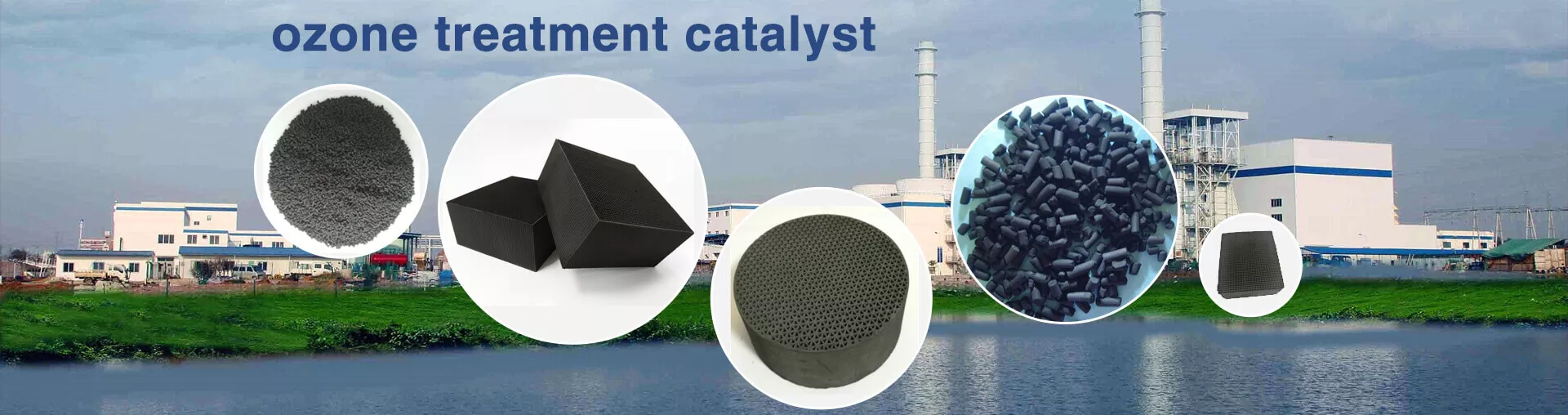
For industrial ozone treatment projects, a cost-effective ozone decomposition catalyst is not necessarily the one with the lowest purchase price. Instead, it is the catalyst that can maintain stable ozone removal efficiency, low airflow resistance, long service life, and reduced overall operating costs under actual operating conditions. Therefore, catalyst selection should focus on ozone concentration, humidity, gas flow rate, catalyst structure, activity stability, and service life rather than simply comparing initial prices. In practice, catalysts that are properly matched to the application conditions often deliver significantly greater economic value than lower-cost alternatives.

Ozone is a powerful oxidizing agent and is widely used in water treatment, semiconductor manufacturing, printing, food processing, and sterilization processes. However, residual ozone that is not consumed during the process can pose health risks, accelerate equipment corrosion, and negatively impact the surrounding environment if released directly.
In most industrial systems, residual ozone is ultimately converted into oxygen through catalytic decomposition technology. As the core material within the treatment system, the catalyst directly influences ozone removal efficiency and long-term operational stability. Poor catalyst selection may result in ozone emissions exceeding regulatory limits, increased pressure drop, or frequent catalyst replacement, even when the equipment itself is properly designed.
The performance of an ozone decomposition catalyst can only be accurately evaluated within the context of specific operating conditions. Before procurement, key system parameters should be clearly defined to ensure proper catalyst selection.
The most important parameters include:
Different applications place different demands on the catalyst. For example, systems handling high ozone concentrations often prioritize catalyst processing capacity, while large-volume airflow systems typically emphasize pressure drop control. Ignoring these differences and selecting a catalyst based solely on price can lead to increased operating costs and reduced system performance.
Many ozone treatment applications operate under high-humidity conditions, including wastewater treatment plants, drinking water facilities, and ozone disinfection systems. In these environments, humidity frequently becomes one of the most important factors affecting catalyst performance.
Under high humidity, water molecules can occupy active sites on the catalyst surface, reducing the contact efficiency between ozone molecules and catalytic sites. As a result, a catalyst that performs well under laboratory conditions may experience noticeable efficiency loss in actual field applications.
For projects operating continuously in humid environments, procurement decisions should focus on ozone removal efficiency, activity retention, and long-term stability under realistic humidity conditions rather than relying solely on standard laboratory test results.
Common ozone decomposition catalyst configurations include honeycomb, pellet, and granular structures, each offering different mass-transfer characteristics and operational advantages.
Honeycomb catalysts typically provide low airflow resistance and low pressure drop, making them suitable for large-volume continuous operation systems. Pellet and granular catalysts often offer higher specific surface area and greater catalytic activity per unit volume, making them suitable for high-concentration ozone treatment or installations with limited space.
There is no universally superior catalyst structure. The optimal choice depends on how well the catalyst design matches the actual operating conditions. Proper structural selection can improve ozone decomposition efficiency while reducing fan energy consumption and overall operating costs.
In industrial applications, catalyst procurement cost represents only a portion of the total ownership cost. Long-term economics are more heavily influenced by catalyst durability and replacement frequency.
Catalyst replacement may involve equipment shutdowns, maintenance labor, transportation expenses, and disposal costs. Therefore, catalysts with longer service lives may provide significantly lower overall operating costs despite having higher initial purchase prices.
For continuously operating systems, users should evaluate catalyst activity retention, mechanical strength, contamination resistance, and available long-term performance data when assessing service life expectations.
A truly cost-effective catalyst is not necessarily the cheapest option. Instead, it is the catalyst that delivers the lowest cost per unit of ozone removed throughout its operational life.
A comprehensive evaluation should include:
Industrial operating experience consistently shows that catalysts capable of maintaining stable performance over extended periods often achieve lower overall ozone treatment costs, even when their upfront purchase price is higher.
The objective of catalyst selection is not to identify the lowest-priced product, but rather to find the solution that best matches the operating conditions of the system.
A successful selection process begins with understanding ozone concentration, humidity, airflow rate, and emission requirements. These factors should then be evaluated alongside catalyst activity, structural design, pressure-drop characteristics, moisture resistance, and expected service life. By considering both treatment performance and total life-cycle cost, industrial users can achieve an optimal balance between ozone removal efficiency, operational reliability, and return on investment.
author:kaka
date:2026/6/15
Contact: Candyly
Phone: +8618142685208
Tel: 0086-0731-84115166
Email: sales@minstrong.com
Add: E2 Building, Kinglory Science And Technology Industrial Park, Wangcheng Area, Changsha, Hunan, China.
 minstrong