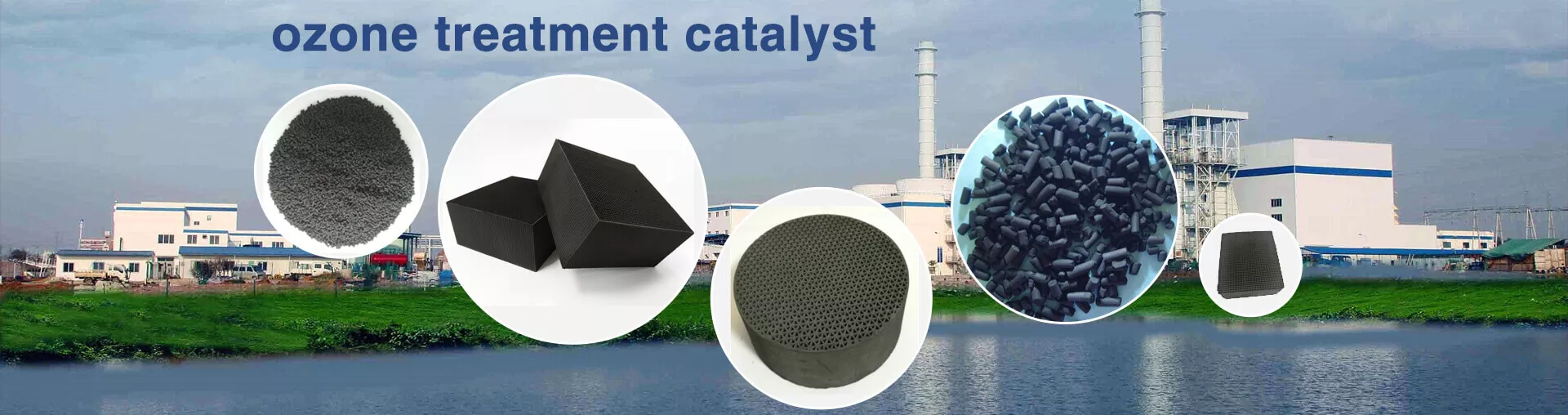
Ozone treatment is not merely a matter of exhaust gas processing; it is a systems engineering task involving airflow distribution, equipment integration, safety controls, and compliance with environmental standards. Only by designing from a holistic process perspective can one ensure the continuous, efficient, and stable decomposition of ozone, thereby achieving the dual goals of safe production and environmental protection.
Why Ozone Treatment Requires Systematic Design
While many industrial users focus on the ozone decomposition unit itself, the actual treatment performance in a real-world project often depends on the entire system.
A complete ozone treatment system should include:
- Gas collection
- Conveyance system
- Decomposition unit
- Electrical controls
- Safety monitoring
- Emission management
Flaws in the design of any single component can compromise the final treatment results.
The Importance of Matching Airflow and Pressure
The ozone treatment system must be matched to the exhaust parameters of the production equipment.
If airflow is insufficient:
- Ozone cannot be collected in a timely manner.
- Ozone may accumulate inside the equipment.
If airflow is excessive:
- Energy consumption increases.
- System operating efficiency decreases.
Therefore, flow rate calculations and pressure balance analyses based on actual operating conditions are essential during the design phase.
Ensuring Ozone Decomposition Efficiency
The effectiveness of ozone treatment ultimately depends on decomposition efficiency.
Key factors affecting efficiency include:
-
Gas residence time
Insufficient contact time between ozone and the decomposition medium leads to excessive residual ozone levels. -
Temperature conditions
Appropriate temperatures help accelerate the rate of ozone decomposition. -
Airflow uniformity
Uniform airflow distribution prevents localized short-circuiting and improves overall treatment efficiency.
The Necessity of Safety Control Systems
Ozone is a hazardous oxidizing gas.
System design must therefore incorporate:
- Fault alarms
- Interlock protection
- Emergency shutdown
- Status monitoring
The control system must respond promptly to fan failures, abnormal airflow, or equipment shutdowns to prevent ozone leakage.
Key Indicators for Commissioning and Acceptance
Once installation is complete, performance must be verified through operational testing.
Key inspection items include:
-
Interlock functionality
Confirming that the ozone treatment system operates in synchronization with the main equipment. -
Alarm functionality
Verifying proper alarm responses under abnormal operating conditions. -
Emission concentration
Confirming that the ozone concentration after treatment meets local environmental regulations. -
Continuous operational stability
Verifying the system's ability to maintain stable performance during long-term operation.
Long-term Operational Management of Ozone Treatment Systems
Maintenance is just as important as the initial deployment of ozone treatment equipment. It is recommended to regularly perform:
- Airflow measurement
- Pressure inspection
- Electrical system inspection
- Safety interlock testing
- Emission concentration monitoring
Preventive maintenance effectively ensures the long-term, stable operation of the system.
 minstrong