How to Reduce the Operating Costs of Ozone Removal?
Whether in printing workshops, wastewater treatment plants, semiconductor cleanrooms, or food cold storage facilities, the presence of ozone is ubiquitous. On one hand, it is utilized as a potent oxidizing agent for sterilization and disinfection; on the other, any residual, undecomposed ozone acts as a "double-edged sword"—irritating the respiratory tract and corroding equipment—and must therefore be removed. However, many enterprises find that the electricity bills, consumable replacement costs, and maintenance expenses associated with ozone removal equipment remain prohibitively high. How, then, can removal costs be significantly reduced while simultaneously ensuring that ozone emissions meet regulatory compliance standards? This article offers professional solutions to address this very challenge.

I. Where Does Ozone Come From? Why Must It Be Removed?
To achieve precise cost reductions, one must first clearly define the target of the treatment process.
Primary Sources:
Organized Emissions (Point Sources): UV curing equipment in the printing industry; ozone disinfection tail gas from wastewater treatment plants; semiconductor cleaning equipment; and residual ozone remaining after sterilization processes in food processing facilities.
Unorganized Emissions (Diffuse Sources): High-voltage electrostatic dust collection equipment; concentrated areas of photocopiers and printers; and laboratory exhaust fumes.
Why Removal Is Mandatory:
Health Hazards: Ozone acts as a severe irritant to the respiratory tract, and prolonged exposure may lead to a decline in lung function. According to my country's workplace hygiene standards, the concentration of ozone in the work environment must not exceed 0.16 mg/m³. Equipment Corrosion: The strong oxidizing nature of ozone accelerates the aging of precision instruments, circuit boards, and rubber seals.
Environmental Compliance: Certain regions impose strict limits on the ozone concentration permitted in exhaust emissions.
Treatment Challenges: Traditional ozone removal methods (such as activated carbon adsorption) suffer from limited adsorption capacity and require frequent replacement; thermal decomposition methods are energy-intensive; while catalytic decomposition is effective, the catalysts tend to deactivate rapidly and are expensive to replace. These inherent challenges directly drive up long-term operational costs.
II. Three Practical Strategies for Reducing Ozone Removal Costs
The key to cost reduction lies in precisely matching the technology to the application and optimizing operational parameters.
 Strategy 1: Catalyst Selection and Lifespan Extension—Ensuring the "Heart" Beats Longer
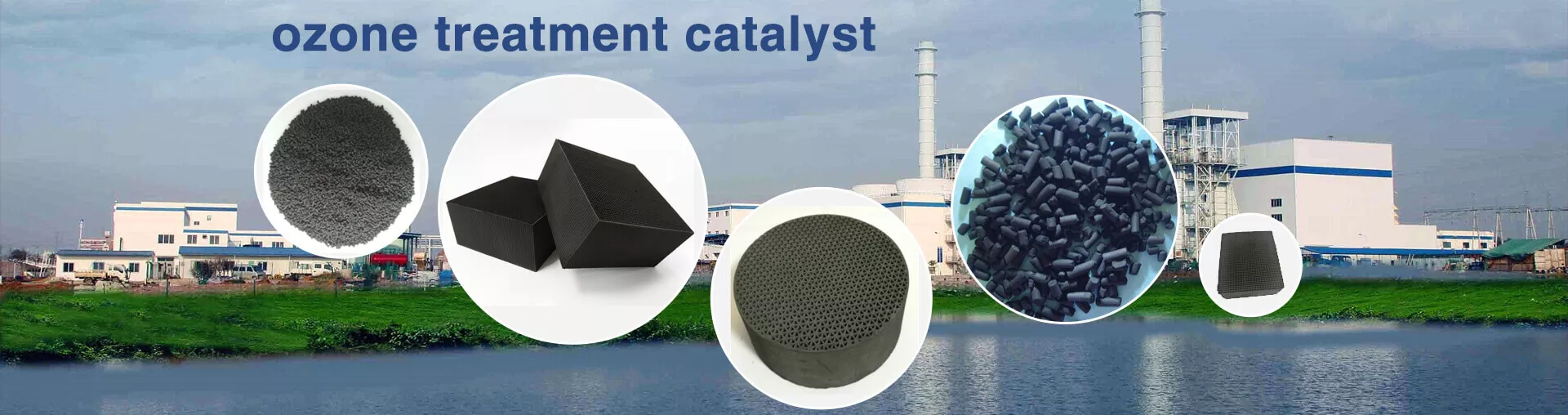
In catalytic ozone decomposition technology, the catalyst serves as the core consumable. Current mainstream catalysts include manganese dioxide (MnO₂), copper oxide (CuO), precious metals (platinum, palladium), and composite metal oxides.
Cost Comparison: Precious metal catalysts exhibit high activity but are expensive and prone to poisoning and deactivation caused by humidity and dust. Manganese-based catalysts (such as MnO₂) are low-cost and demonstrate excellent activity in ozone decomposition, making them the preferred choice for cost-sensitive applications.
Lifespan Extension Strategies:
Select Humidity-Resistant Formulations: Ordinary MnO₂ is prone to deactivation in high-humidity environments. Opting for hydrophobically modified manganese-based composite catalysts (e.g., those with a MnO₂-CuO-MnO₂ "sandwich" structure) allows for stable activity to be maintained even at a relative humidity of 90%, thereby extending the service life.
Implement Upstream Pre-treatment: Installing a primary filtration unit (to remove dust) and a dehumidifier (to lower relative humidity) upstream of the catalytic bed can significantly slow down catalyst poisoning, extending its lifespan from a typical 3 months to over 1 year.
Assess Regeneration Feasibility: Certain manganese-based catalysts can have their activity restored through in-situ thermal regeneration, drastically reducing the frequency of catalyst replacement.
Strategy 2: Process Combination—Putting "Gold" to Its Best Use
A single technology often struggles to strike the right balance between efficiency and cost-effectiveness. Designing a combined process—tailored to specific ozone concentration scenarios—is a powerful tool for achieving cost reductions.
High-Concentration Ozone Tail Gas (>100 ppm):
Solution: Thermal Decomposition + Catalytic Polishing. First, a thermal decomposition unit (heated to 250–350°C) is utilized to decompose the majority of the ozone; subsequently, a compact catalytic unit processes the residual, low-concentration ozone. Compared to full-flow catalytic decomposition, this approach reduces the required catalyst volume by over 50%, thereby lowering both initial capital investment and catalyst replacement costs.
**Case Study:** At a specific wastewater treatment plant, where ozone tail gas concentrations reached 150 ppm, a combined "electric heating + MnO₂ catalysis" strategy was implemented. Compared to a purely catalytic solution, this approach reduced annual electricity costs by 30% and extended the catalyst replacement cycle to two years.
**Low Concentration, Large Space Environments (<1 ppm):**
**Solution:** A composite filter utilizing activated carbon adsorption combined with catalytic decomposition. Standalone activated carbon adsorption suffers from rapid saturation, while pure catalytic decomposition is inefficient due to poor mass transfer rates at such low concentrations. By combining the two—for instance, using activated carbon fibers impregnated with MnO₂—a synergistic effect between physical adsorption and catalytic decomposition is achieved: the activated carbon concentrates the ozone, allowing the catalyst to decompose it *in situ*, thereby extending the service life of the filter.
**Cost-Benefit Analysis:** Following the adoption of this composite filter in a food processing facility, the filter replacement cycle was extended from two months to six months, resulting in a 60% reduction in annual consumable costs.
**Strategy 3: Energy Consumption Control—Ensuring "Every Kilowatt-Hour" Delivers Value**
In scenarios requiring continuous operation (such as cleanrooms or cold storage facilities), energy consumption constitutes a major component of operating costs.
**Fan Variable Frequency Control:** Ozone concentrations are rarely constant. By installing online ozone sensors and integrating them with variable frequency drives (VFDs) for the fans, an "on-demand ventilation" system can be realized. When ozone levels are low, fan speeds automatically decrease, potentially yielding annual electricity savings of 20% to 40%.
**Low-Temperature Catalysis Technology:** Traditional thermal decomposition methods require heating, resulting in high energy consumption. By selecting catalysts that exhibit high activity at low temperatures—such as nano-structured MnO₂ or composite copper oxide-manganese dioxide catalysts—ozone can be efficiently decomposed within a temperature range of ambient to 80°C, thereby eliminating the need for additional heating energy.
**Photocatalytic Synergy:** By coating the surface of UV-C germicidal lamps with a nano-TiO₂ photocatalyst, the UV light itself is harnessed to trigger catalytic reactions. This enables the simultaneous decomposition of both ozone and trace amounts of VOCs, achieving a "multi-purpose lamp" functionality that reduces the overall quantity of required equipment. III. Comprehensive Benefits: Cost Reduction Beyond Electricity Savings
Through the aforementioned strategies, enterprises gain far more than just savings on energy consumption and consumables:
**Reduced Maintenance Workload:** Extended catalyst lifespan and reduced frequency of filter replacements significantly cut down on manual inspections and replacement tasks, thereby freeing up the time and energy of operations and maintenance personnel.
**Enhanced Compliance Stability:** By integrating real-time online monitoring with variable-frequency control systems, we ensure that ozone emissions consistently meet regulatory standards under all operating conditions, thereby eliminating the risk of non-compliance.
**Extended Equipment Lifespan:** With the efficient removal of ozone, corrosive effects on downstream components—such as fans, ductwork, and precision instruments—are significantly mitigated, indirectly extending the overall service life of the entire production line.
**Conclusion: Making Ozone Removal an "Economical" Standard Feature**
For industries such as printing, wastewater treatment, semiconductor manufacturing, and food processing, ozone removal is no longer merely a "mandatory" regulatory burden. Through the precise selection and lifespan extension of catalysts, the optimized design of process combinations, and the refined management of energy consumption, long-term operating costs can be effectively maintained within a reasonable range—potentially even achieving a lower cost-per-ton of treated air than traditional methods.
If you are currently facing challenges such as high ozone abatement costs, frequent consumable replacements, or unstable compliance, and wish to obtain a professional diagnosis of your operating conditions along with a customized cost-reduction plan, we invite you to contact our environmental technology team. Let us leverage our data-driven insights and engineering expertise to help you transform every dollar invested in ozone removal into tangible safety and economic benefits for your enterprise.
Strategy 1: Catalyst Selection and Lifespan Extension—Ensuring the "Heart" Beats Longer
In catalytic ozone decomposition technology, the catalyst serves as the core consumable. Current mainstream catalysts include manganese dioxide (MnO₂), copper oxide (CuO), precious metals (platinum, palladium), and composite metal oxides.
Cost Comparison: Precious metal catalysts exhibit high activity but are expensive and prone to poisoning and deactivation caused by humidity and dust. Manganese-based catalysts (such as MnO₂) are low-cost and demonstrate excellent activity in ozone decomposition, making them the preferred choice for cost-sensitive applications.
Lifespan Extension Strategies:
Select Humidity-Resistant Formulations: Ordinary MnO₂ is prone to deactivation in high-humidity environments. Opting for hydrophobically modified manganese-based composite catalysts (e.g., those with a MnO₂-CuO-MnO₂ "sandwich" structure) allows for stable activity to be maintained even at a relative humidity of 90%, thereby extending the service life.
Implement Upstream Pre-treatment: Installing a primary filtration unit (to remove dust) and a dehumidifier (to lower relative humidity) upstream of the catalytic bed can significantly slow down catalyst poisoning, extending its lifespan from a typical 3 months to over 1 year.
Assess Regeneration Feasibility: Certain manganese-based catalysts can have their activity restored through in-situ thermal regeneration, drastically reducing the frequency of catalyst replacement.
Strategy 2: Process Combination—Putting "Gold" to Its Best Use
A single technology often struggles to strike the right balance between efficiency and cost-effectiveness. Designing a combined process—tailored to specific ozone concentration scenarios—is a powerful tool for achieving cost reductions.
High-Concentration Ozone Tail Gas (>100 ppm):
Solution: Thermal Decomposition + Catalytic Polishing. First, a thermal decomposition unit (heated to 250–350°C) is utilized to decompose the majority of the ozone; subsequently, a compact catalytic unit processes the residual, low-concentration ozone. Compared to full-flow catalytic decomposition, this approach reduces the required catalyst volume by over 50%, thereby lowering both initial capital investment and catalyst replacement costs.
**Case Study:** At a specific wastewater treatment plant, where ozone tail gas concentrations reached 150 ppm, a combined "electric heating + MnO₂ catalysis" strategy was implemented. Compared to a purely catalytic solution, this approach reduced annual electricity costs by 30% and extended the catalyst replacement cycle to two years.
**Low Concentration, Large Space Environments (<1 ppm):**
**Solution:** A composite filter utilizing activated carbon adsorption combined with catalytic decomposition. Standalone activated carbon adsorption suffers from rapid saturation, while pure catalytic decomposition is inefficient due to poor mass transfer rates at such low concentrations. By combining the two—for instance, using activated carbon fibers impregnated with MnO₂—a synergistic effect between physical adsorption and catalytic decomposition is achieved: the activated carbon concentrates the ozone, allowing the catalyst to decompose it *in situ*, thereby extending the service life of the filter.
**Cost-Benefit Analysis:** Following the adoption of this composite filter in a food processing facility, the filter replacement cycle was extended from two months to six months, resulting in a 60% reduction in annual consumable costs.
**Strategy 3: Energy Consumption Control—Ensuring "Every Kilowatt-Hour" Delivers Value**
In scenarios requiring continuous operation (such as cleanrooms or cold storage facilities), energy consumption constitutes a major component of operating costs.
**Fan Variable Frequency Control:** Ozone concentrations are rarely constant. By installing online ozone sensors and integrating them with variable frequency drives (VFDs) for the fans, an "on-demand ventilation" system can be realized. When ozone levels are low, fan speeds automatically decrease, potentially yielding annual electricity savings of 20% to 40%.
**Low-Temperature Catalysis Technology:** Traditional thermal decomposition methods require heating, resulting in high energy consumption. By selecting catalysts that exhibit high activity at low temperatures—such as nano-structured MnO₂ or composite copper oxide-manganese dioxide catalysts—ozone can be efficiently decomposed within a temperature range of ambient to 80°C, thereby eliminating the need for additional heating energy.
**Photocatalytic Synergy:** By coating the surface of UV-C germicidal lamps with a nano-TiO₂ photocatalyst, the UV light itself is harnessed to trigger catalytic reactions. This enables the simultaneous decomposition of both ozone and trace amounts of VOCs, achieving a "multi-purpose lamp" functionality that reduces the overall quantity of required equipment. III. Comprehensive Benefits: Cost Reduction Beyond Electricity Savings
Through the aforementioned strategies, enterprises gain far more than just savings on energy consumption and consumables:
**Reduced Maintenance Workload:** Extended catalyst lifespan and reduced frequency of filter replacements significantly cut down on manual inspections and replacement tasks, thereby freeing up the time and energy of operations and maintenance personnel.
**Enhanced Compliance Stability:** By integrating real-time online monitoring with variable-frequency control systems, we ensure that ozone emissions consistently meet regulatory standards under all operating conditions, thereby eliminating the risk of non-compliance.
**Extended Equipment Lifespan:** With the efficient removal of ozone, corrosive effects on downstream components—such as fans, ductwork, and precision instruments—are significantly mitigated, indirectly extending the overall service life of the entire production line.
**Conclusion: Making Ozone Removal an "Economical" Standard Feature**
For industries such as printing, wastewater treatment, semiconductor manufacturing, and food processing, ozone removal is no longer merely a "mandatory" regulatory burden. Through the precise selection and lifespan extension of catalysts, the optimized design of process combinations, and the refined management of energy consumption, long-term operating costs can be effectively maintained within a reasonable range—potentially even achieving a lower cost-per-ton of treated air than traditional methods.
If you are currently facing challenges such as high ozone abatement costs, frequent consumable replacements, or unstable compliance, and wish to obtain a professional diagnosis of your operating conditions along with a customized cost-reduction plan, we invite you to contact our environmental technology team. Let us leverage our data-driven insights and engineering expertise to help you transform every dollar invested in ozone removal into tangible safety and economic benefits for your enterprise. ∷
∷

 minstrong