What should do if ozone levels in a corona discharge workshop exceed standards?
Corona treatment technology is widely used in the surface treatment of materials such as films, fibers, and plastics due to its high efficiency and environmental friendliness. However, the "invisible killer" associated with this technology—ozone—has long been a persistent problem for many manufacturers. When a workshop is filled with a pungent fishy odor and alarms frequently sound, it poses not only a challenge to environmental regulations but also a severe test for employee health and production efficiency.
I. The Deeper Dangers of Excessive Ozone: A Cost Far More Than Imagined
Corona discharge, while ionizing the air, produces high concentrations of ozone (O₃). Many people are under-aware of its harmful effects, believing it's merely an unpleasant smell. This is not the case:
The health risks should not be ignored: Ozone is a strong oxidant and a strong irritant to the respiratory tract. Long-term inhalation can cause coughing, chest tightness, and even damage lung function, leading to chronic bronchitis or asthma. It can also irritate the eyes and cause discomfort. This issue not only affects occupational health but also directly impacts a company's employment stability and social responsibility.
Equipment Corrosion and Product Contamination: Ozone's strong oxidizing properties can accelerate corrosion and aging of metal equipment, wiring, and components within the workshop, shortening equipment life. Furthermore, if not handled properly, ozone can cause excessive oxidation on the surface of treated materials, negatively impacting product quality.
Environmental Regulatory Pressure: Countries have strict limits on ozone concentrations in the workplace. Exceeding these limits not only leads to environmental penalties but also potentially impacts a company's green image and sustainable development.
Traditional methods, such as activated carbon adsorption, suffer from drawbacks such as rapid adsorption saturation, frequent replacement, secondary pollution, and high operating costs, failing to fundamentally address the problem.
II. A Fundamental Solution: MINSTRONG
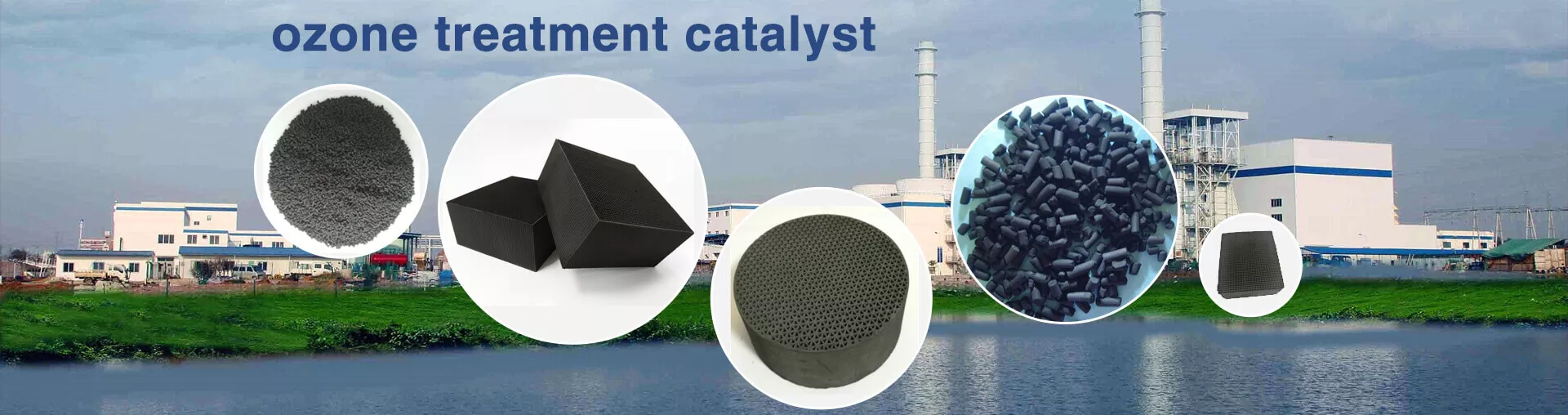
MINSLITE-B Ozone Decomposition Catalyst: An Excellent Solution
Facing these challenges, choosing an efficient, long-lasting, and economical treatment solution is crucial. MINSTRONG's MINSLITE-B ozone decomposition catalyst, based on cutting-edge catalytic technology, offers a fundamental solution.
Its core working principle is catalytic decomposition: rather than adsorbing ozone, it utilizes unique active components on the catalyst surface to efficiently and instantly decompose ozone (O₃) into harmless oxygen (O₂) at room or low temperatures. The chemical equation is simple and straightforward: 2O₃ → 3O₂. This is a qualitative change, completely eliminating ozone rather than temporarily storing it.
III. Why is MINSTRONG MINSLITE-B your best choice?
Extremely High Decomposition Efficiency and Stability: MINSLITE-B utilizes a special carrier and precious metal/metal oxide catalytic system optimized for the specific ozone concentrations generated in corona plants. Its initial decomposition efficiency exceeds 99%, and it maintains extremely high activity over thousands of hours of operation with minimal performance degradation, ensuring long-term, stable treatment results.
Energy-saving and environmentally friendly, no secondary pollution: This catalyst performs exceptionally well at room temperature, eliminating the need for additional heating to hundreds of degrees Celsius required by some other technologies. This significantly reduces energy consumption and results in extremely low operating costs. The entire decomposition process produces only oxygen, without any secondary pollutants, ensuring safety and environmental protection.
High Mechanical Strength and Long Service Life: The MINSLITE-B catalyst carrier undergoes a special treatment process, resulting in exceptional mechanical strength and wear resistance. It effectively resists airflow shock and vibration, preventing pulverization and ensuring a long service life in harsh industrial environments, saving customers significant maintenance and replacement costs.
Flexible Integration and Application: MINSTRONG offers customized solutions tailored to your specific workshop layout and existing equipment. MINSLITE-B catalyst can be easily integrated into your existing corona treater exhaust duct, your workshop's central air conditioning system, or a standalone air purification unit for immediate, ready-to-use installation.
Contact the MINSTRONG technical team today at minstrong@minstrong.com for a free technical assessment and customized solutions tailored to your workshop!
 ∷
∷

 minstrong